

As it comes to improving the curb appeal and usability of your house, a properly built driveway is essential. In Ontario, where winters can be severe and volatile, the selection of driveway material and design can have a considerable impact on durability and care. For homeowners looking for durable and aesthetically pleasing options, concrete driveway s have emerged as a common choice among contractors. This article explores the newest innovations in concrete driveway options by Ontario contractors, focusing on factors that influence performance and style.
From understanding the unique challenges posed by Ontario's freeze-thaw cycles to picking the right finish that matches your home's style, this guide provides valuable insights into what to expect when considering a concrete driveway. If you're considering the benefits of reinforcement choices or exploring cost considerations, you'll find detailed information to help you make wise decisions for your property. Let’s explore the world of concrete driveways and uncover what today's contractors can offer to meet your needs.
Comprehending Ontario's Freeze-Thaw Cycles
Ontario faces considerable freeze-thaw cycles throughout the winter months, that can significantly influence the integrity of concrete surfaces. When temperatures decrease, moisture in the concrete solidifies and expands. This process can create strain within the material. As temperatures increase, the ice melts and contracts, leading to repeated stress and potential fracturing over time. Contractors in Ontario commonly emphasize the necessity of understanding these cycles when constructing and installing concrete pavements.
To mitigate the impact of freeze-thaw cycles, it is vital to use high-quality materials and proper techniques during construction. This includes choosing air-entrained concrete mixes that can withstand the expansion caused by freezing water. Additionally, correct curing methods should be utilized to ensure the concrete reaches maximum strength before the beginning of winter. By paying attention on these aspects, contractors can enhance the longevity of concrete driveways in Ontario's harsh climate.
Moreover, homeowners should be mindful of their maintenance practices, especially in the winter months. Applying sealers and ensuring adequate drainage can help prevent water accumulation, reducing the risk of freeze-thaw damage. Regular inspections will also allow for early identification of any issues, ensuring that repairs can be conducted before small problems escalate into more considerable concerns. By recognizing the impact of freeze-thaw cycles, homeowners can take preventive steps to safeguard their investments in concrete pavements.
Comparing Driveway Materials: Concrete vs. Bitumen
When selecting between cement and asphalt for driveways in Canada, homeowners often take into account longevity and upkeep. Concrete driveways are famed for their long life expectancy, often enduring over three decades years with proper care. In contrast, asphalt driveways typically need more regular repairs and may only last one and a half to two decades before needing significant resurfacing. The harsh regional winters can intensify the deterioration of both materials, but cement is less susceptible to weakening from heat or fuel spills, making it a superior durable choice in the long run.
Another crucial factor is appearance. Concrete offers a wide variety of textures and hues that can boost curb appeal, from stamped designs to exposed aggregate. This flexibility allows homeowners to customize their driveways to compliment their home’s style. Asphalt, while it can be appealing when newly installed, tends to diminish over time and requires regular sealcoating to preserve its look. Consequently, the first appeal of an asphalt driveway may diminish more quickly than that of a concrete option.
Price is usually a key factor when contrasting these two options. Bitumen driveways generally have a lower initial installation cost than cement, making them attractive for budget-conscious homeowners. However, when factoring in ongoing maintenance and potential repairs, cement may emerge as the better economical option over time. In areas like this province where temperature fluctuations are common, the durability of concrete can lead to reduced lifetime costs despite its elevated upfront investment.
Selecting the Right Finish: Stamped, Brush, or Exposed Aggregate
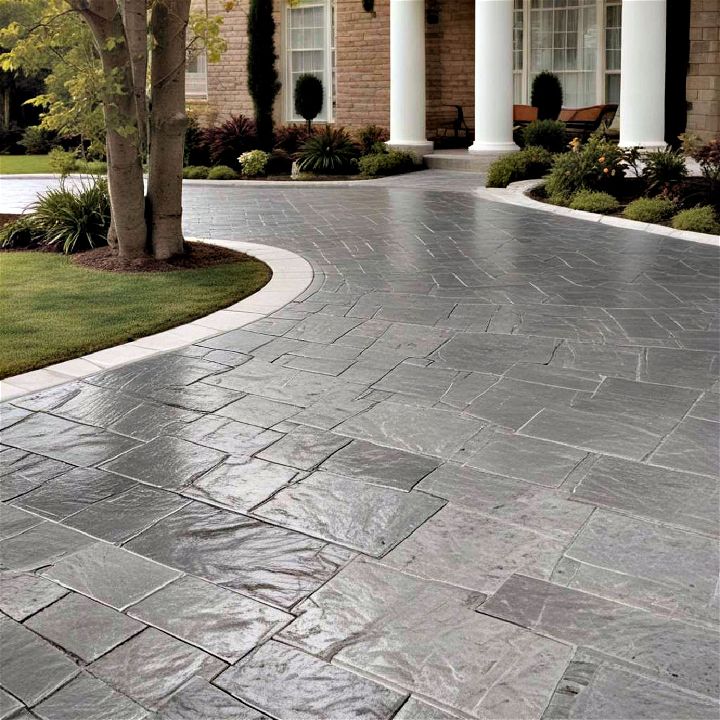
As you choosing a coating for your concrete driveway , it's essential to consider both visual appeal and functionality. Textured concrete provides the option to imitate natural stone or brick, allowing homeowners to enhance their property's outdoor appearance. This treatment is particularly advantageous if you want a fancy look without sacrificing durability. Nonetheless, it does require proper sealing and maintenance to guard against the weather, particularly in Ontario's severe winters.
Brush finish, on the other hand, offers a more standard and useful look. This finish is created by brushing the surface while the concrete is still uncured, creating a patterned surface that provides good traction—vital for preventing accidents during icy conditions. While it may not provide the same aesthetic appeal as stenciled concrete, its uncomplicated nature and practicality make it a favored choice among homeowners looking for a budget-friendly solution.
Exposed aggregate combines both beauty and functionality, showcasing the natural stones embedded in the concrete surface. This option not only gives great traction in snowy conditions but is also attractive, as it comes in various color combinations. The amount of upkeep for exposed aggregate is generally lower in contrast to stenciled concrete, making it a wise choice for those aiming for a blend of durability and style. Deciding on the right finish ultimately rests on your preferences, be it visual appeal, financial considerations, or ease of maintenance.